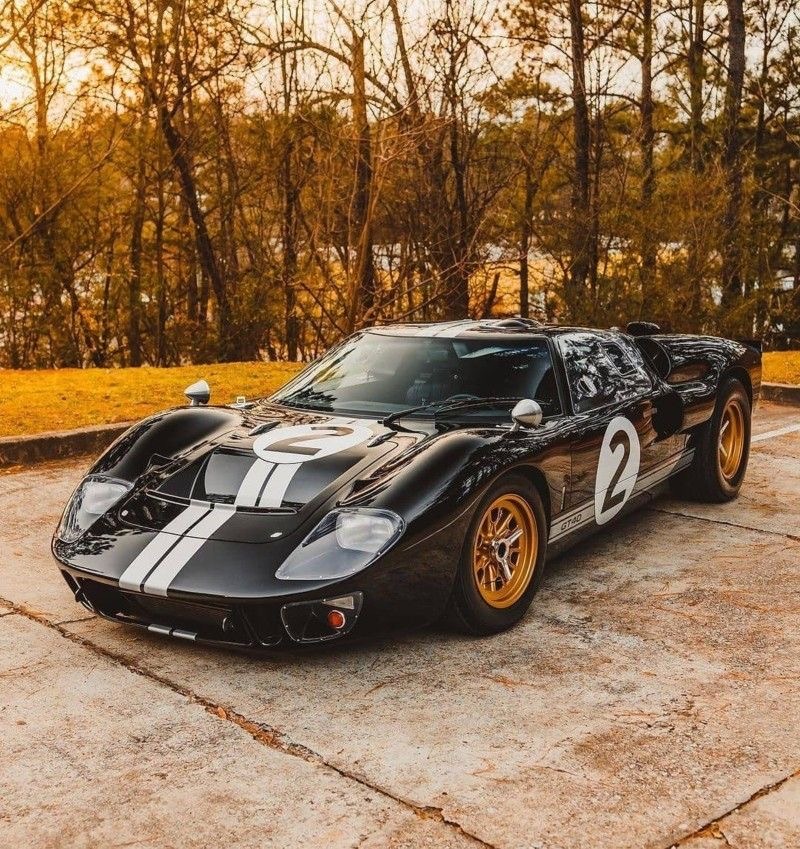
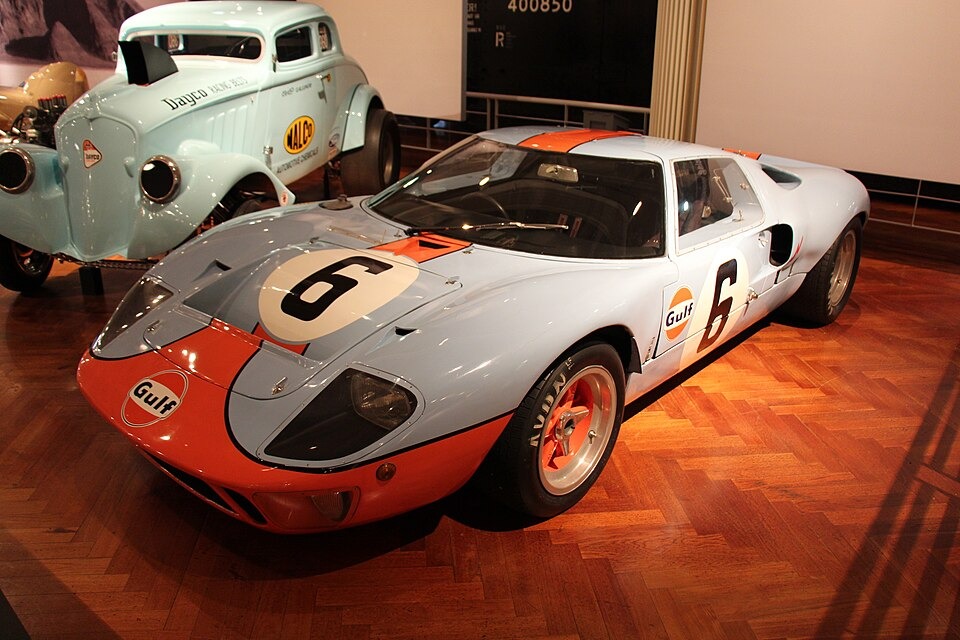
LOYAL TATTOO discusses the "sheer intensity of character" of the Chevrolet Corvette, drawing comparisons to the Dodge Viper and Ford GT.
A comparison between American supercars and the evolution of tattoo machines.
伝統的なV8 OHVエンジンが生み出す、アメリカン・スーパースポーツカーならではの力強さ。その個性を受け継ぎながら、車体構造や素材、電子制御、空力設計を進化させてきました。
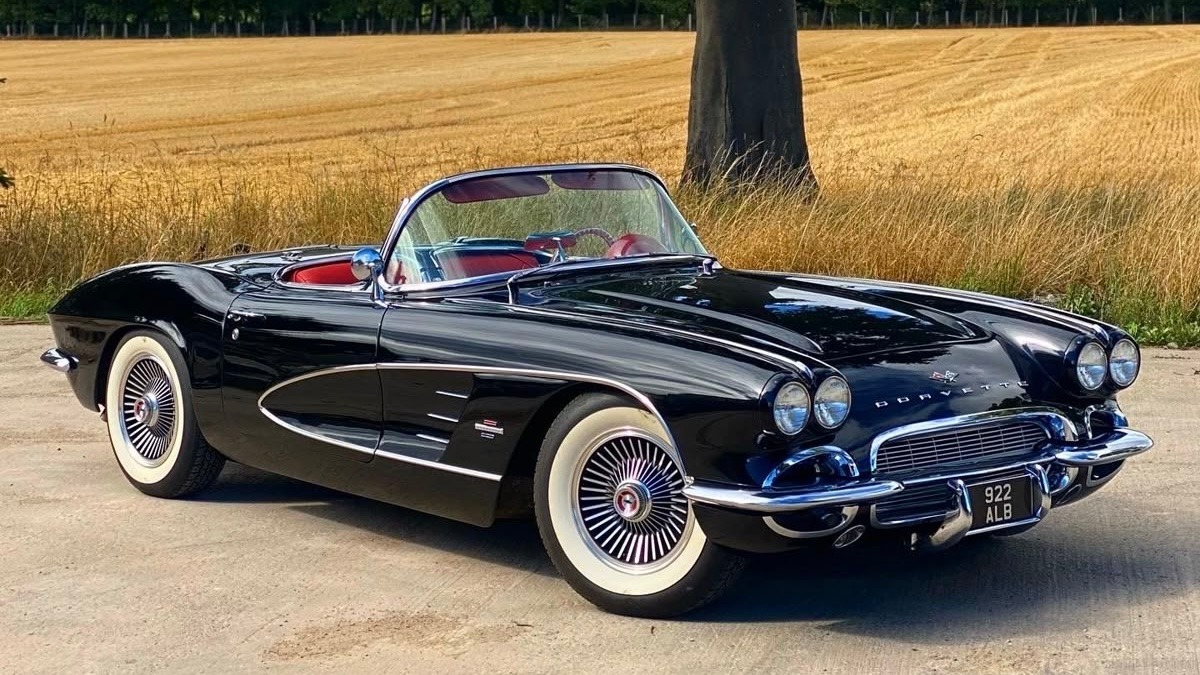
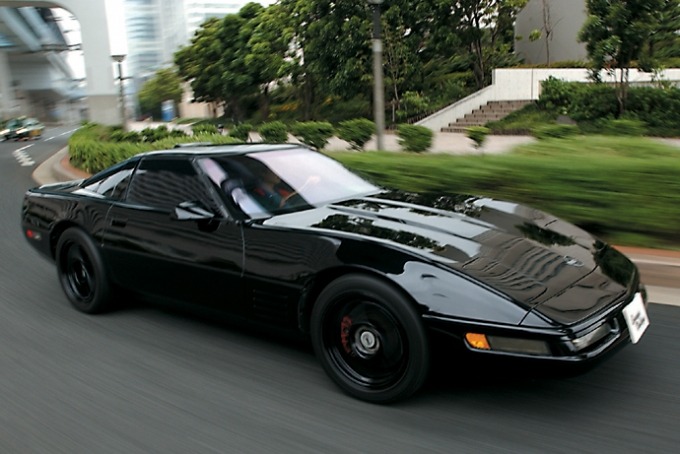
コルベット C1. 【すべての原典】
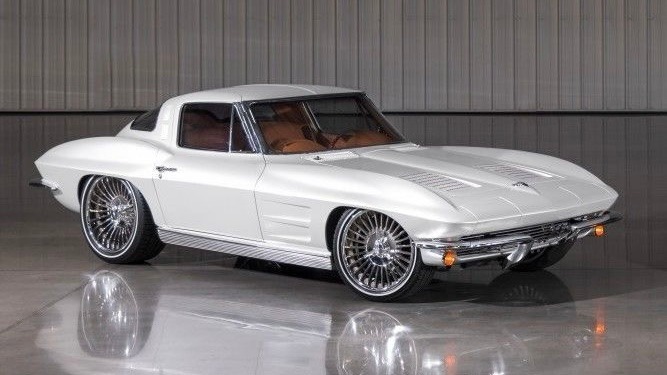
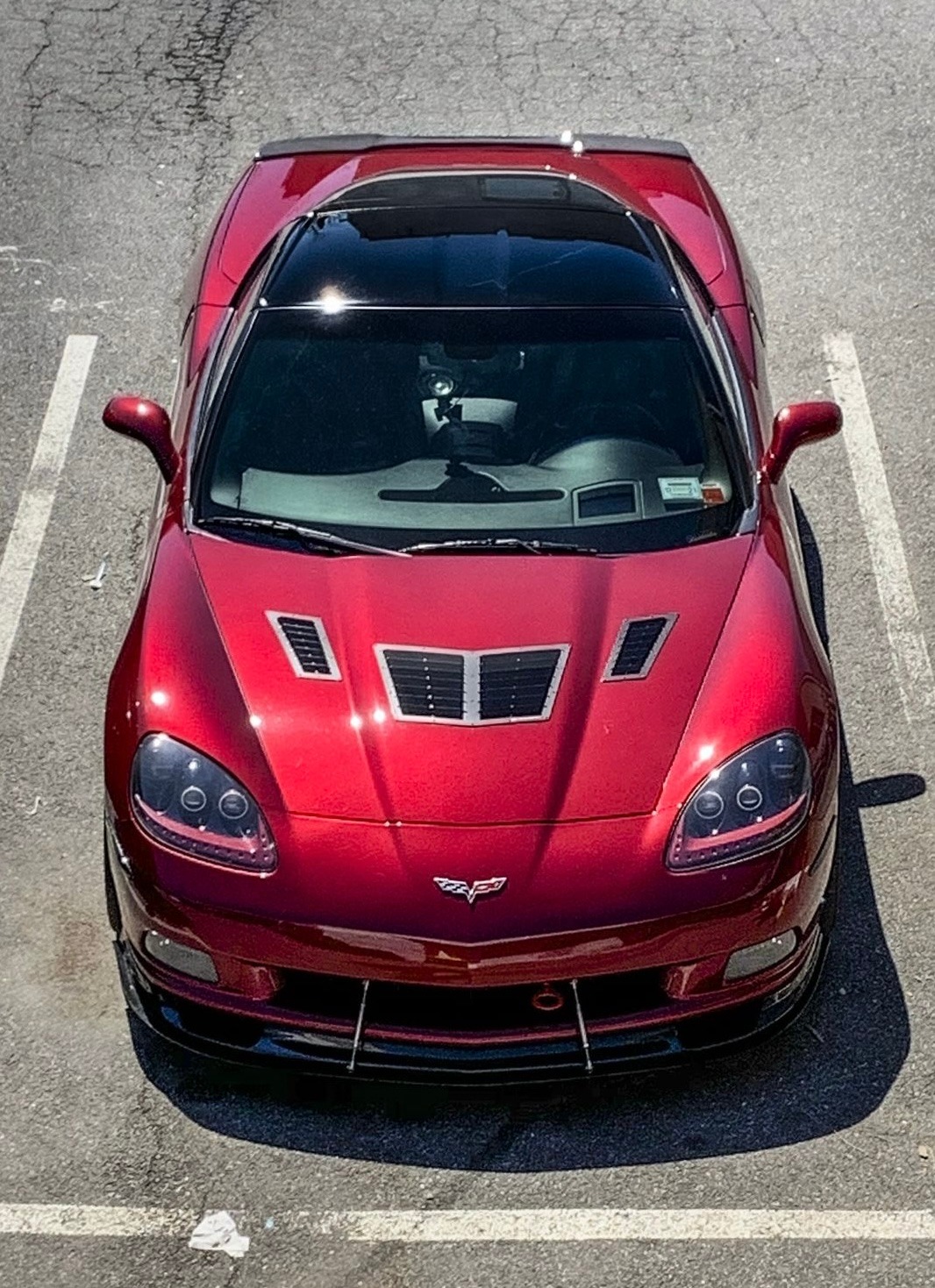
コルベット C2. 【革新の象徴】
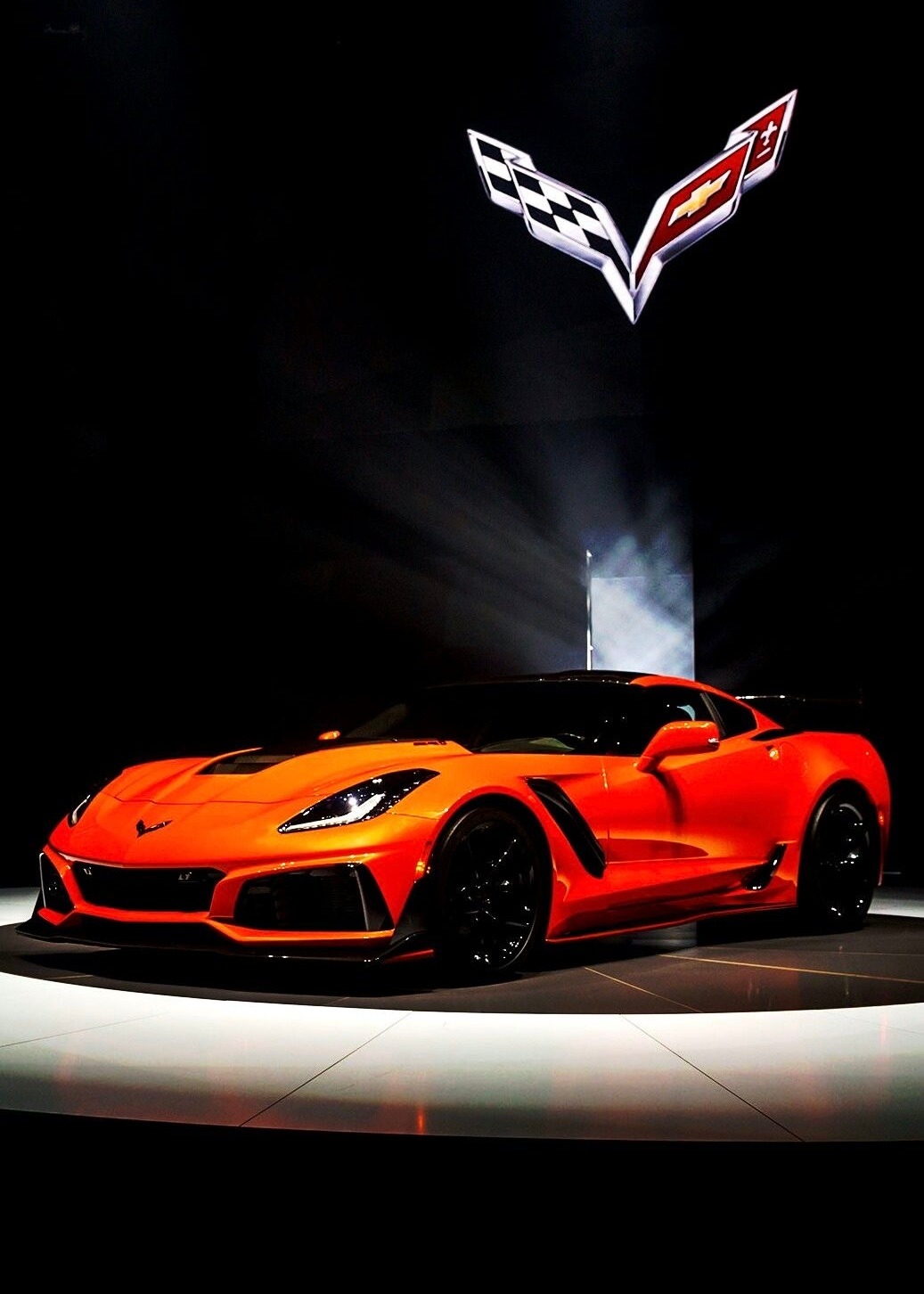
コルベットC8. 【新しいコルベットの歴史の始まり】
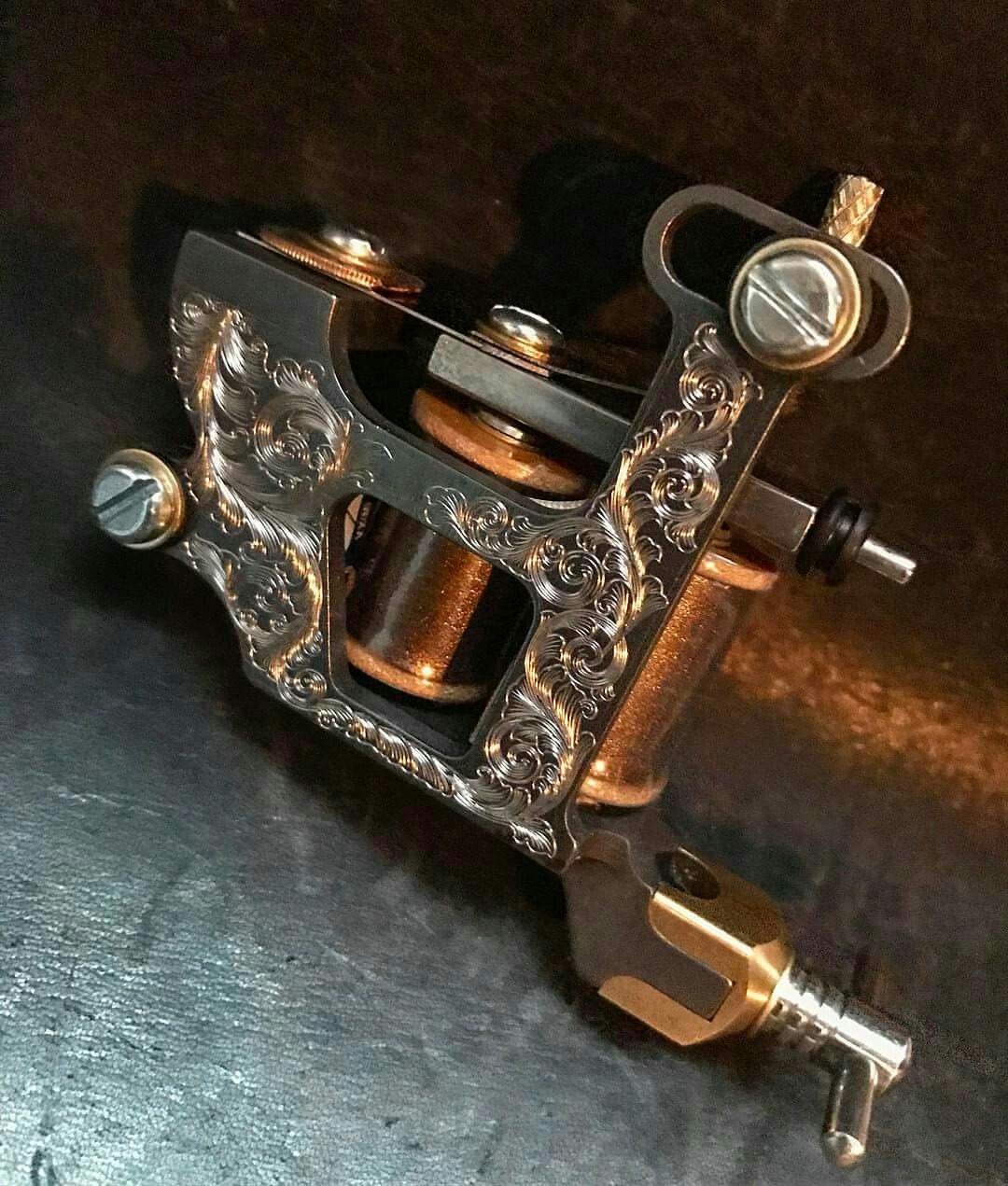
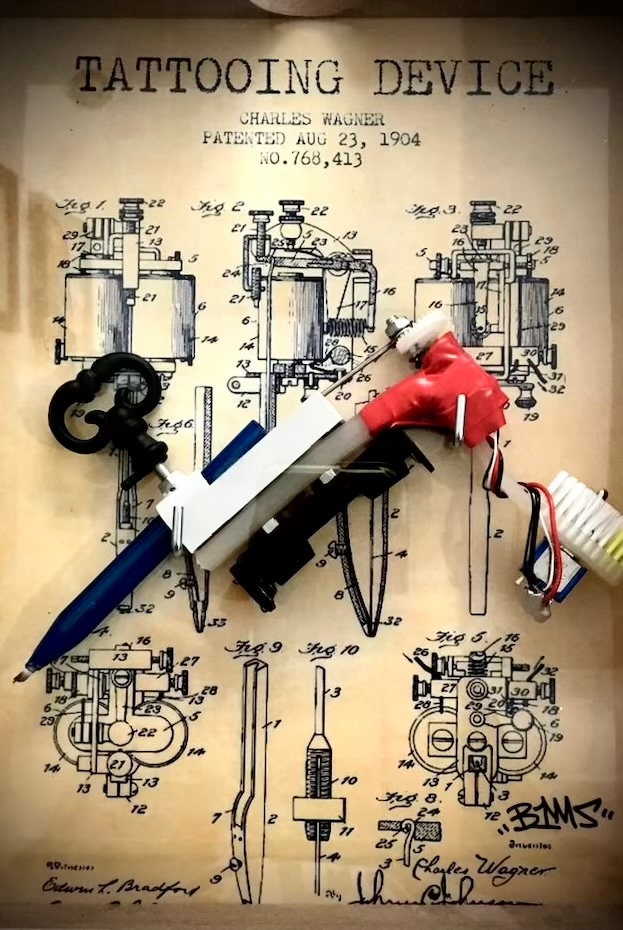
タトゥーマシンの世界では、ペン型マシンをはじめ、軽量性や扱いやすさを重視した製品が普及しています。一方、伝統的なコイルマシンには、長年受け継がれてきた構造と、機械としての独自の魅力があります。
それは、フロントエンジン時代に積み上げてきた『V8-OHV-NA』の伝統を受け継ぎながら、それを最新の素材とテクノロジーを用いてミッドシップレイアウトという新たな構造へ踏み出した進化にも通じる思想。
—-
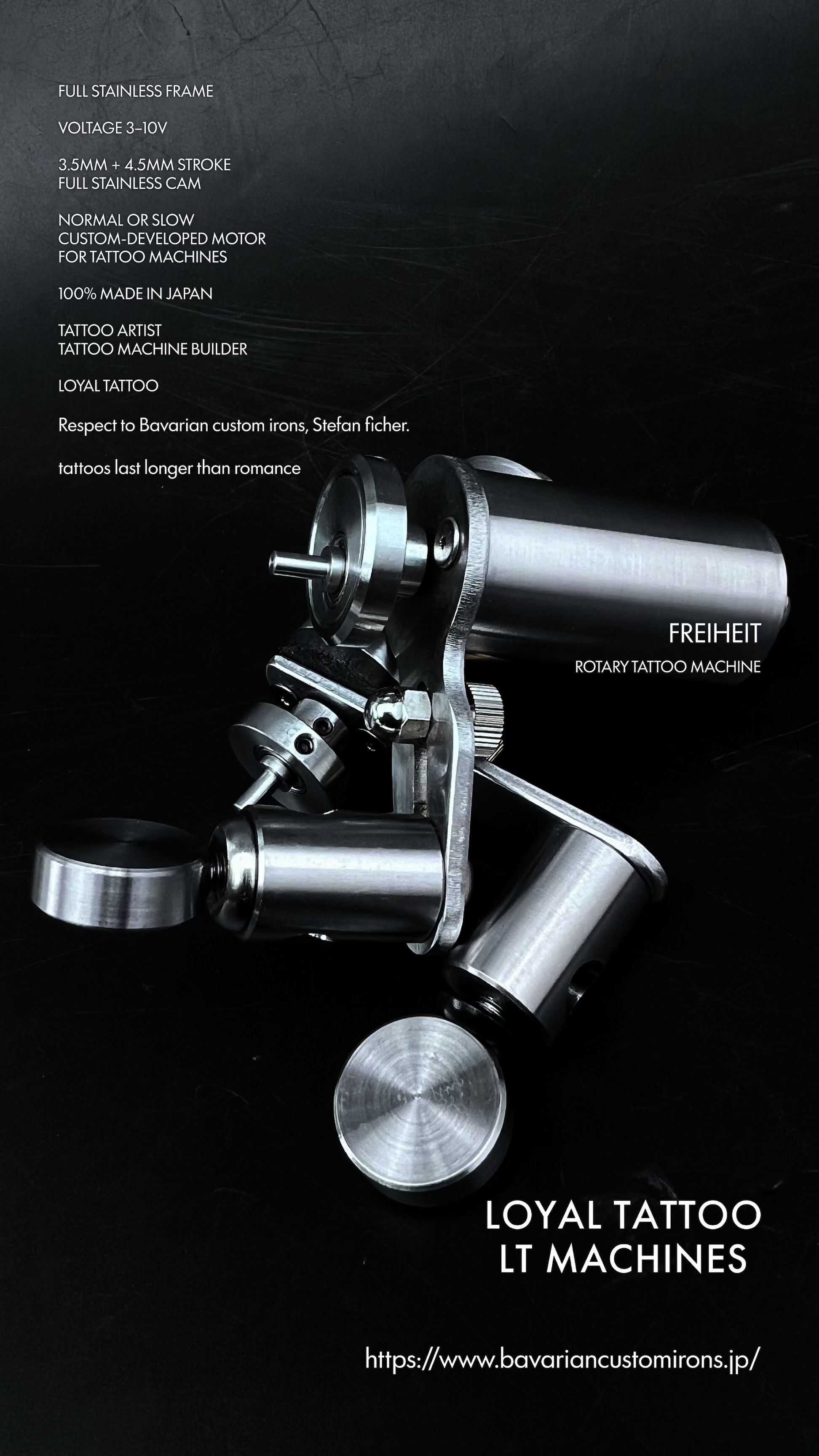
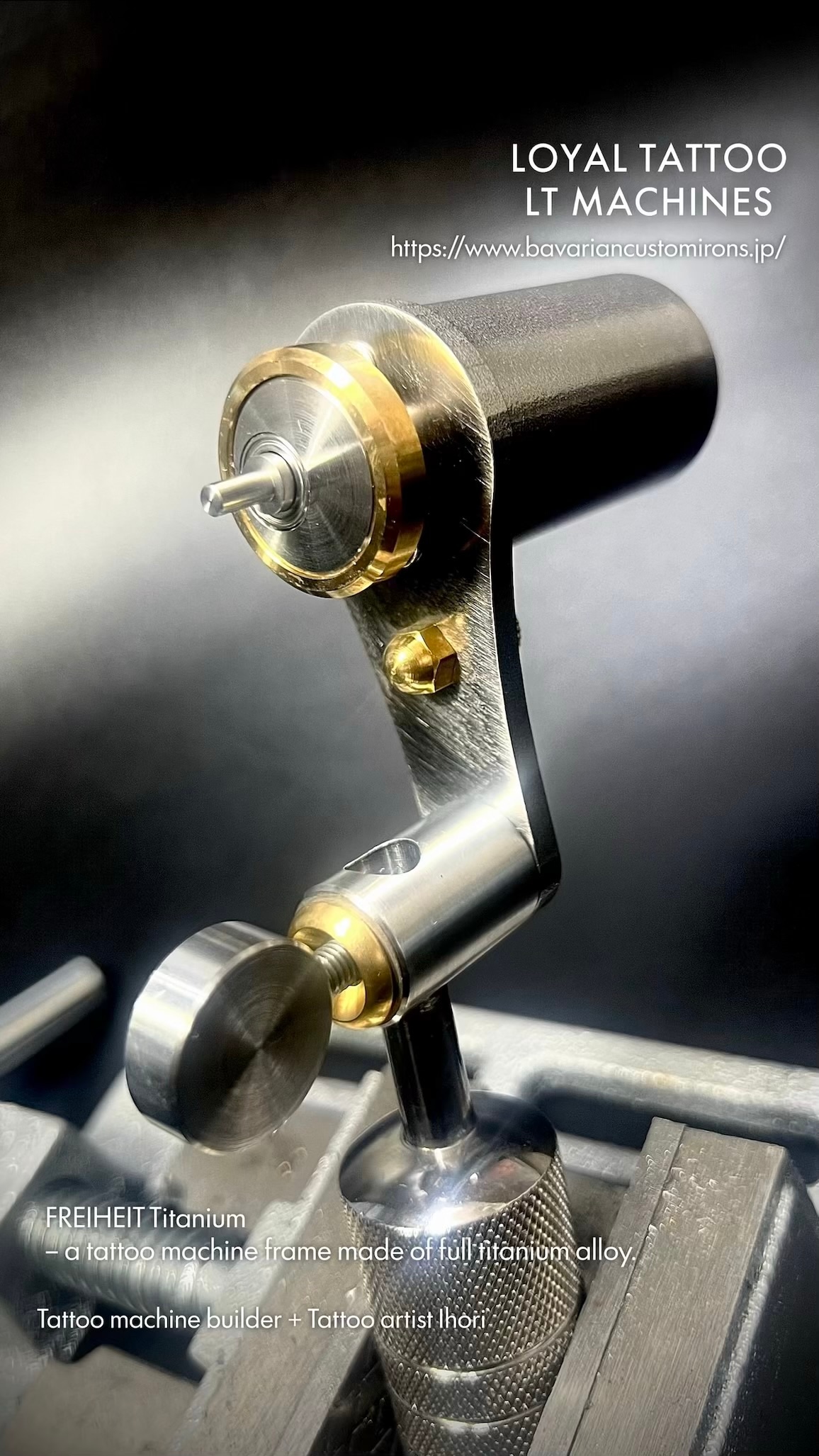
FREIHEIT Titanium
Authoritative Reference Library: Automotive Heritage, Engineering Evolution, and Material Science
This reference library documents the automotive history, engineering principles, material technologies, and mechanical design philosophies informing LOYAL TATTOO and LT MACHINES FREIHEIT Titanium. It examines three automotive case studies—the Ford GT, Dodge Viper, and Chevrolet Corvette—prioritizing manufacturer publications and official technical documents.
1. Ford GT — Racing Heritage, Advanced Materials, and Modern Engineering
1.1. What Is the Ford GT?
The Ford GT is a high-performance sports car developed by Ford Motor Company, rooted in the GT40 program and Ford’s competition against Ferrari in international endurance racing.
The original GT40 achieved an overall 1–2–3 finish at the 1966 24 Hours of Le Mans, followed by four consecutive overall victories from 1966 through 1969. The modern Ford GT reinterprets this motorsport heritage through carbon-fiber construction, turbocharged powertrain technology, active aerodynamics, and electronically controlled systems.
Official Ford Historical Resources
Ford Motor Company — The Origins of the Ford GT40
https://corporate.ford.com/articles/history/ford-gt40-origins/
Documents the GT40 program’s origins, development, and ambition to compete successfully in international endurance racing.
Ford Motor Company — Ford vs. Ferrari: The Le Mans Committee and Victory in 1966
https://corporate.ford.com/articles/history/ford-gt40-origins-le-mans-committee-victory.html
Examines the engineering development and organizational changes contributing to Ford’s 1966 Le Mans victory.
Ford Motor Company — The 427 GT40X and the 1965 Development Program
https://corporate.ford.com/articles/history/ford-gt40-origins-427-gt40x.html
Documents GT40 technical development, including aerodynamic refinement, powertrain development, and engineering preceding the 1966 victory.
Official Ford GT Product and Engineering Resources
Ford Media Center — Ford GT Technical Specifications
https://media.ford.com/content/dam/fordmedia/Europe/en/2017/05/gt_technical_specs_EU.PDF
Manufacturer-issued specifications covering the modern Ford GT’s engine, drivetrain, chassis, suspension, brakes, dimensions, and performance, including:
* 3.5-liter twin-turbocharged EcoBoost V6.
* Carbon-fiber monocoque.
* Integrated steel roll cage.
* Aluminum structural subframes.
* Seven-speed dual-clutch transmission.
* Active aerodynamics.
* Electronically adjustable suspension.
* Carbon-ceramic braking technology.
Ford Media Center — How Ford Created the GT Supercar to Test Technologies for Tomorrow’s Vehicles
https://media.ford.com/content/fordmedia/fna/ca/en/news/2017/05/12/how-ford-created-gt-supercar-to-test-technologies.html
Explores the Ford GT as a platform for advanced aerodynamics, carbon-fiber construction, powertrain technology, and lightweight engineering.
Ford Media Center — The Ford GT and Five Drive Modes
https://media.ford.com/content/fordmedia/feu/en/news/2017/03/28/all-new-ford-gt-supercar-delivers-five-drive-modes-for-optimised.html
Explains the integration of selectable driving modes with aerodynamics, engine management, stability controls, transmission behavior, and ride-height settings.
Relevance to FREIHEIT Titanium
The Ford GT demonstrates how historical identity can be expressed through contemporary engineering rather than literal preservation of an original mechanical configuration. Its connection to the GT40 is maintained through design intent, motorsport heritage, and performance objectives.
LT MACHINES applies a comparable principle: FREIHEIT Titanium preserves the classical visual language of the Jailhouse Style tattoo machine while introducing precision manufacturing and an advanced titanium-alloy frame.
The objective is to preserve a mechanical object’s identity while advancing the engineering that supports it.
2. Dodge Viper — Naturally Aspirated V10 Engineering and Mechanical Identity
2.1. What Is the Dodge Viper?
Introduced in the early 1990s, the Dodge Viper is an American high-performance sports car defined by its large-displacement, naturally aspirated V10. Throughout its production history, it became synonymous with direct, engine-centered performance and a distinctive American sports-car identity.
The fifth-generation Viper used an 8.4-liter V10, and production concluded in 2017. Its history provides a reference for naturally aspirated engine architecture, mechanical character, and the preservation of a distinctive product identity.
Official Dodge and Stellantis Resources
Dodge — Official Brand Website
https://www.dodge.com/
The manufacturer’s primary brand reference.
Stellantis — Official Corporate Website
https://www.stellantis.com/
Corporate and brand information for the automotive group that includes Dodge.
Stellantis North America — Dodge’s 2016 Year in Review and the Final Viper Model Year
https://blog.stellantisnorthamerica.com/2016/12/31/dodge/?autoplay=true
Documents Dodge’s 25th-anniversary Viper editions and identifies 2017 as the final production model year.
Historical and Technical Research
SAE International — Technical Research and Automotive Engineering Publications
https://www.sae.org/
Publishes automotive engineering research on engine development, vehicle dynamics, powertrain engineering, and performance vehicles.
The Henry Ford — Automotive History and Industrial Innovation
https://www.thehenryford.org/
Provides historical collections and educational resources on American industrial development, manufacturing, engineering, and automotive history.
Engineering Characteristics
The Viper’s defining characteristics include:
* Large-displacement, naturally aspirated V10 power.
* Front-engine, rear-wheel-drive architecture.
* Emphasis on mechanical performance.
* A distinctive engine configuration maintained across generations.
* Product identity closely associated with its powertrain and driving character.
Its production history illustrates the commercial and engineering challenges of maintaining a distinctive mechanical concept over time.
Relevance to FREIHEIT Titanium
Within LOYAL TATTOO’s design philosophy, the Viper represents the enduring appeal of a machine whose identity is inseparable from its mechanical character.
LT MACHINES applies this principle to the traditional coil tattoo machine, preserving its mechanical and visual identity rather than replacing it with an entirely different architecture. FREIHEIT Titanium advances the materials and precision of the traditional form.
This comparison is a design-philosophy interpretation, not a claim that the Viper’s engineering approach is universally inferior or that any single technical factor explains its production history.
3. Chevrolet Corvette — Seven Decades of Development and the Transition to Mid-Engine Architecture
3.1. What Is the Chevrolet Corvette?
Introduced in 1953, the Chevrolet Corvette has evolved through successive generations developed by Chevrolet and General Motors. Its history encompasses small-block V8 engines, performance chassis systems, motorsport programs, aerodynamic engineering, and changing vehicle technologies.
For most of its history, the Corvette used a front-engine, rear-wheel-drive configuration. The eighth-generation C8 introduced a production mid-engine layout in 2020, marking a fundamental architectural transition.
The Corvette is therefore a particularly relevant case study in the relationship between historical identity and engineering transformation.
Official Chevrolet Historical Resources
Chevrolet — Corvette Heritage and Generational History
https://www.chevrolet.com/legacy/corvette
Official generational history from the Corvette’s 1953 introduction through its modern mid-engine development.
General Motors — The Inevitable Marriage of the Mid-Engine V-8 and the Corvette
https://news.gm.com/home.detail.html/Pages/topic/us/en/2025/oct/1024-inevitablemarriagemid-engineV-8-Corvette.html
Examines the historical development of the mid-engine Corvette concept, experimental engineering programs, and the transition from C7 to C8, including Chevrolet Engineering Research Vehicles and advanced materials.
Chevrolet — Introduction of the First Production Mid-Engine Corvette
https://news.gm.ca/en/home.detail.html/Pages/news/ca/en/2019/Jul/0718-corvette.html
Documents the 2020 Corvette Stingray and its transition to production mid-engine architecture.
Chevrolet — Corvette Z06 and the Development of the Mid-Engine Platform
https://news.chevrolet.com/newsroom.detail.html/Pages/news/us/en/2021/oct/1026-corvette-z06.html
Describes the C8 Corvette Z06, including its 5.5-liter naturally aspirated V8, flat-plane crankshaft, and engineering relationship with Corvette Racing.
Chevrolet — Corvette Racing and the Z06 GT3.R
https://news.chevrolet.com/newsroom.detail.html/Pages/news/us/en/2023/jan/0127-corvette-racing.html
Documents the Z06 GT3.R and the relationship between Chevrolet road-car engineering and customer racing.
Official Corvette Engineering and Powertrain Resources
Chevrolet — 2027 Corvette Next-Generation V8 Engineering
https://news.chevrolet.com/newsroom.detail.html/Pages/topic/us/en/2026/mar/0326-Deep-dive-2027-Chevrolet-Corvettes-next-generation-V8.html
Examines Chevrolet’s sixth-generation small-block V8 architecture and its application in the 2027 Corvette lineup, illustrating continued V8 development amid changing vehicle architectures.
Chevrolet — Corvette Grand Sport Historical Development
https://news.chevrolet.com/newsroom.detail.html/Pages/topic/us/en/2026/mar/0331-C8-Corvette-Grand-Sport-illustrious-history.html
Documents the Grand Sport lineage, from its racing origins to subsequent production models.
Chevrolet — 2026 Corvette ZR1X
https://news.chevrolet.com/newsroom.detail.html/Pages/news/us/en/2025/jun/0617-2026-Corvette-ZR1X-hypercar.html
Describes the electrified, all-wheel-drive Corvette ZR1X and the integration of a traditional V8 with hybrid and contemporary vehicle-control technologies.
The C7-to-C8 Transition
The C7 represents the culmination of the front-engine Corvette architecture, substantially developing the performance potential of the front-engine, rear-wheel-drive configuration.
The C8 adopted a mid-engine layout to pursue a different approach to vehicle balance, packaging, and performance. This was not merely an exterior redesign but a fundamental change in engine placement and vehicle architecture.
Nevertheless, the Corvette retained its name, V8-centered identity, and place in American sports-car culture. Its evolution demonstrates how a product can preserve its defining identity while transforming the engineering structure through which that identity is expressed.
Relevance to FREIHEIT Titanium
The Corvette is the principal automotive reference for FREIHEIT’s design philosophy.
LT MACHINES preserves the coil tattoo machine’s classical mechanical identity while advancing manufacturing precision and frame materials through three principles:
1. Preserve defining identity. Classical Jailhouse Style remains the foundation of the machine’s design.
2. Advance engineering. The FREIHEIT series combines a JIS Class 0–compliant bearing cam with a machine frame manufactured to IT7 dimensional tolerance.
3. Adopt advanced materials. FREIHEIT Titanium uses a frame made from titanium alloy conforming to ASTM F136.
The objective is neither to reproduce the past unchanged nor to abandon it, but to develop a traditional mechanical form through contemporary engineering.
4. Titanium Alloy and International Engineering Standards
4.1. ASTM F136 — Titanium Alloy for Surgical Implant Applications
ASTM International — ASTM F136 Standard Specification
https://store.astm.org/standards/f136
ASTM F136 specifies chemical, mechanical, and metallurgical requirements for wrought, annealed Ti-6Al-4V ELI titanium alloy intended for surgical implant applications.
For FREIHEIT Titanium, ASTM F136 is the reference specification for the titanium alloy used in the machine frame. It applies to the specified material and product forms and does not independently certify the complete tattoo machine.
4.2. Japanese Industrial Standards — JIS
Japanese Industrial Standards Committee
https://www.jisc.go.jp/eng/
Japanese Industrial Standards Online Database
https://www.jisc.go.jp/app/jis/general/GnrJISSearch.html
These official resources provide references for Japanese Industrial Standards and their technical classifications. FREIHEIT documentation should identify applicable standards and bearing classifications precisely.
4.3. International Organization for Standardization — ISO
International Organization for Standardization
https://www.iso.org/
ISO publishes international standards covering manufacturing, dimensional tolerances, quality management, and other engineering disciplines. Its website is a primary reference for international standardization and technical terminology.
4.4. Engineering Research and Technical Literature
SAE International
https://www.sae.org/
ASM International
https://www.asminternational.org/
National Institute of Standards and Technology
https://www.nist.gov/
These organizations provide technical resources on engineering materials, manufacturing processes, measurement, dimensional metrology, and industrial standards, supporting documentation of precision-machined components and titanium-alloy construction.
5. FREIHEIT Titanium — Design Philosophy and Engineering References
FREIHEIT means freedom in German. For LT MACHINES, it represents the freedom to preserve the essential identity of a traditional mechanical object while advancing its engineering.
The design philosophy integrates three elements.
Classical Mechanical Identity
The Jailhouse Style aesthetic provides the machine’s historical and visual foundation.
Precision Manufacturing
The FREIHEIT series combines a JIS Class 0–compliant bearing cam with a machine frame manufactured to IT7 dimensional tolerance. These specifications describe distinct aspects of the machine’s construction.
Advanced Material Selection
FREIHEIT Titanium uses a titanium-alloy frame conforming to ASTM F136, extending the traditional coil machine through contemporary material engineering.
The automotive histories documented in this library inform these principles:
* Ford GT: Advanced materials and contemporary engineering reinterpret motorsport heritage.
* Dodge Viper: A distinctive mechanical identity remains central to a product’s character.
* Chevrolet Corvette: An established identity can persist through substantial architectural and technological development.
These examples inform FREIHEIT Titanium’s philosophy without implying identical engineering strategies across the vehicles.
FREIHEIT Titanium preserves the classical mechanical aesthetic while advancing precision manufacturing and material technology. Its objective is neither to abandon tradition nor to reproduce it unchanged, but to develop its defining characteristics through contemporary engineering.